Non-Fiction
“Fasting and Goblin-Marketing: Lizzie, Laura, and The Victorian Roots of Bulimarexia” Trinity College (2009)
“Record Deficits, Devastating Cuts: 2006 Maine Budget Analysis” University of Maine (2005)
Co-authored
Hon. Michael H. Michaud, (2nd District, Maine), with the assistance of Charlotte A. Howley. “Maintaining Our Technology Advantage” Machining 3, no. 3 (2005): 56, 54.
Creative Non-Fiction
“Forever, Alice” Elephant Journal (2016)
Fiction
From “Bones in the Sky” …Bombay Gin 38, no. 2 (2012): 64-66.
Hold this baby in your hand like rocks; hold this baby dead, like it was still born.
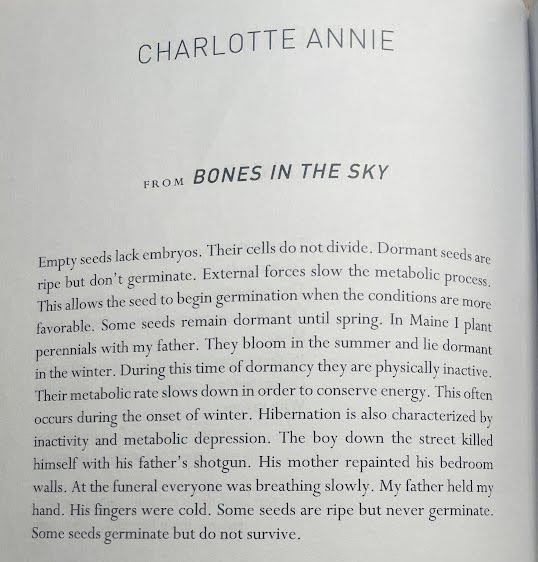
“If In Fact Christina Rossetti Was Born” Erasure 38 (2012): 166.

“Ostrich” An excerpt from the novel, “Wendy” CAESURA (2011)
Poetry
From “Passing New Hampshire & Other Poems” Luna Luna Magazine (2014)
Book Reviews
Review of Maybe This is How Tides Work (Finishing Line Press, 2014) Bombay Gin (2015)
What remains is unseen to the naked eye—rather, it is a question: “[w]hat do you think/ about the trestle/ when it evokes (12)? This is not the same as asking, “what does the trestle evoke?” The trestle is made of concrete. When it bends “into distant tides,” we disguise ourselves—we masquerade, the way a Bluefish becomes a Shad in South African water. Our gills sweep the floor. We answer the question as if we have walked the length of the bridge. The salt is an inference, the water merely an assumption. Was the trestle concealing the river or the rain? We answer with a question this time. What shrouds the past? There is no suitable arbiter. The trestle baits our curiosity. Like the words themselves, it is insidious. This is the portrait Dickson paints. It is made neither of oil nor water.
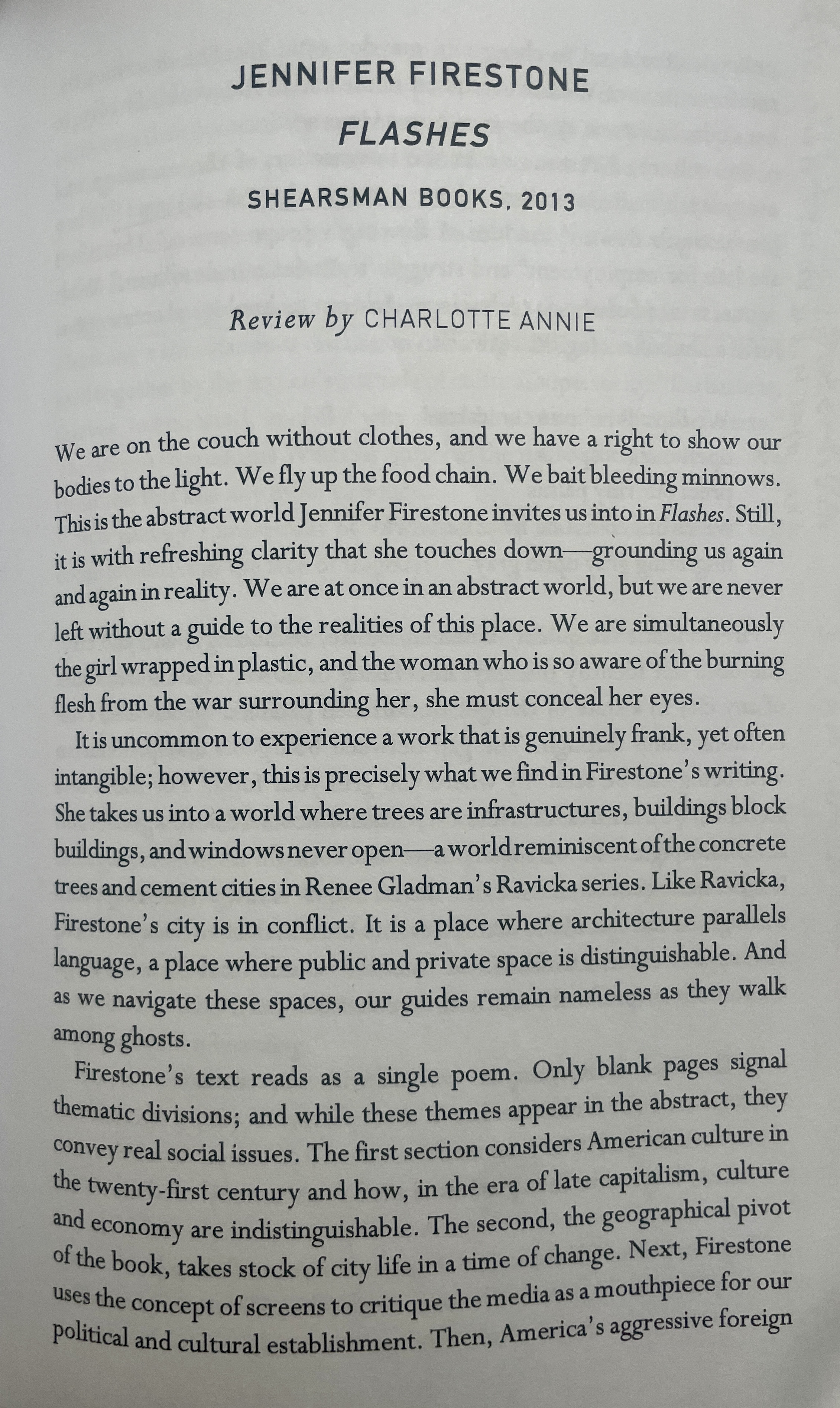
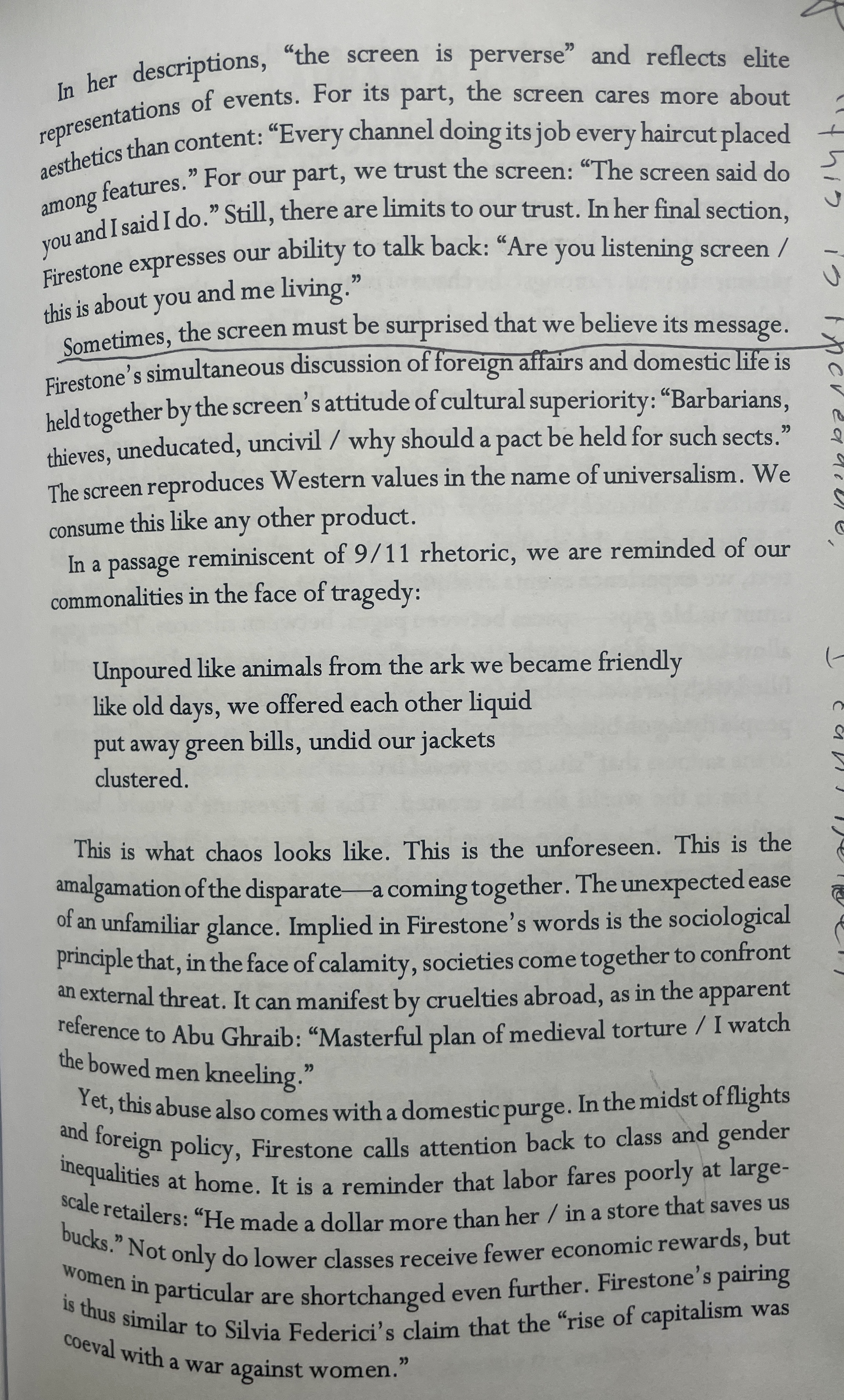
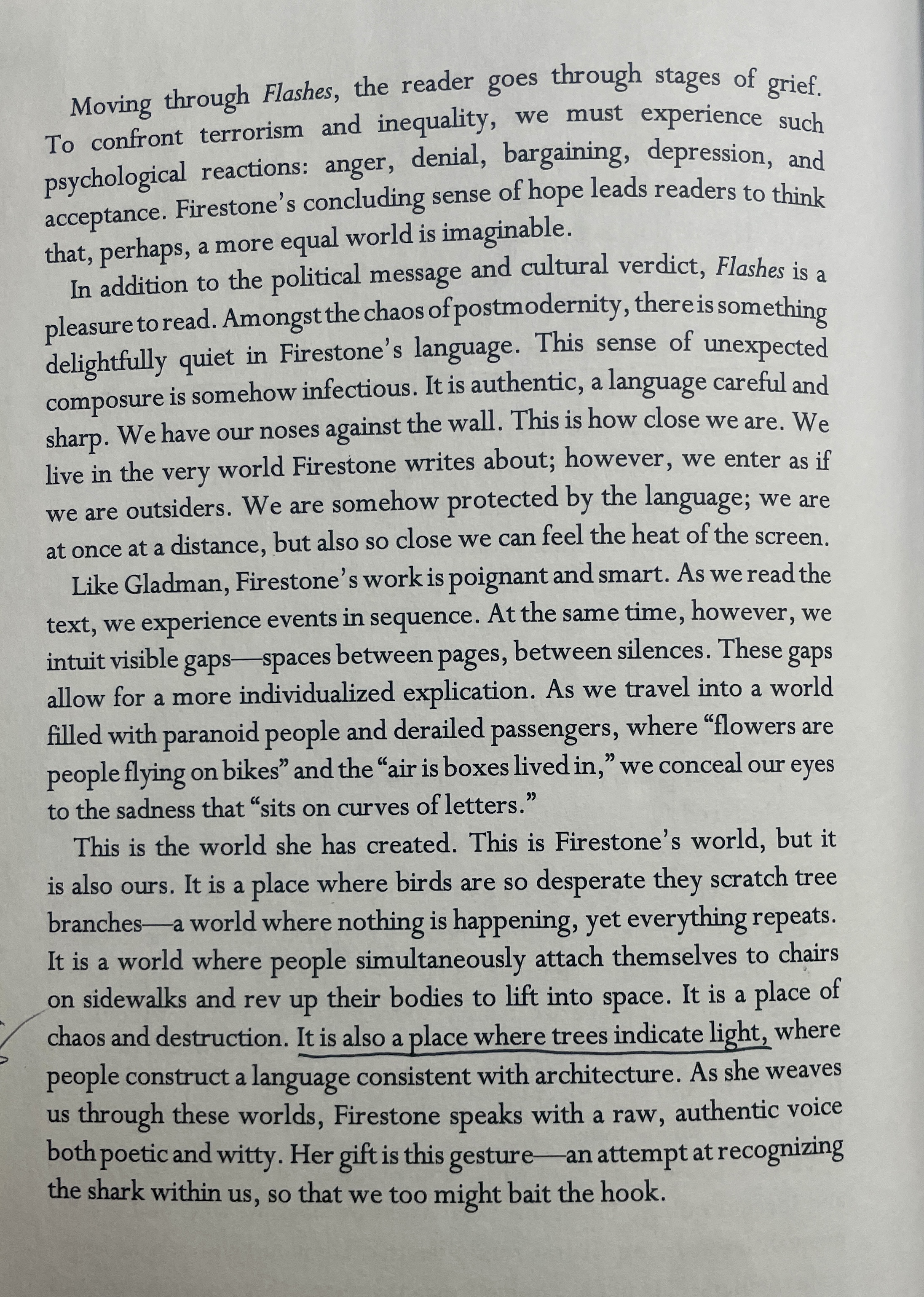
Review of Flashes (Shearsman, 2013). Bombay Gin 39, no.2 (2013):163-166


Interviews
Oral History Project: Women in the Military Paula Pietrowski, Interviewed by Annie Howley, Northeast Archives of Folklore and Oral History, University of Maine (2003)
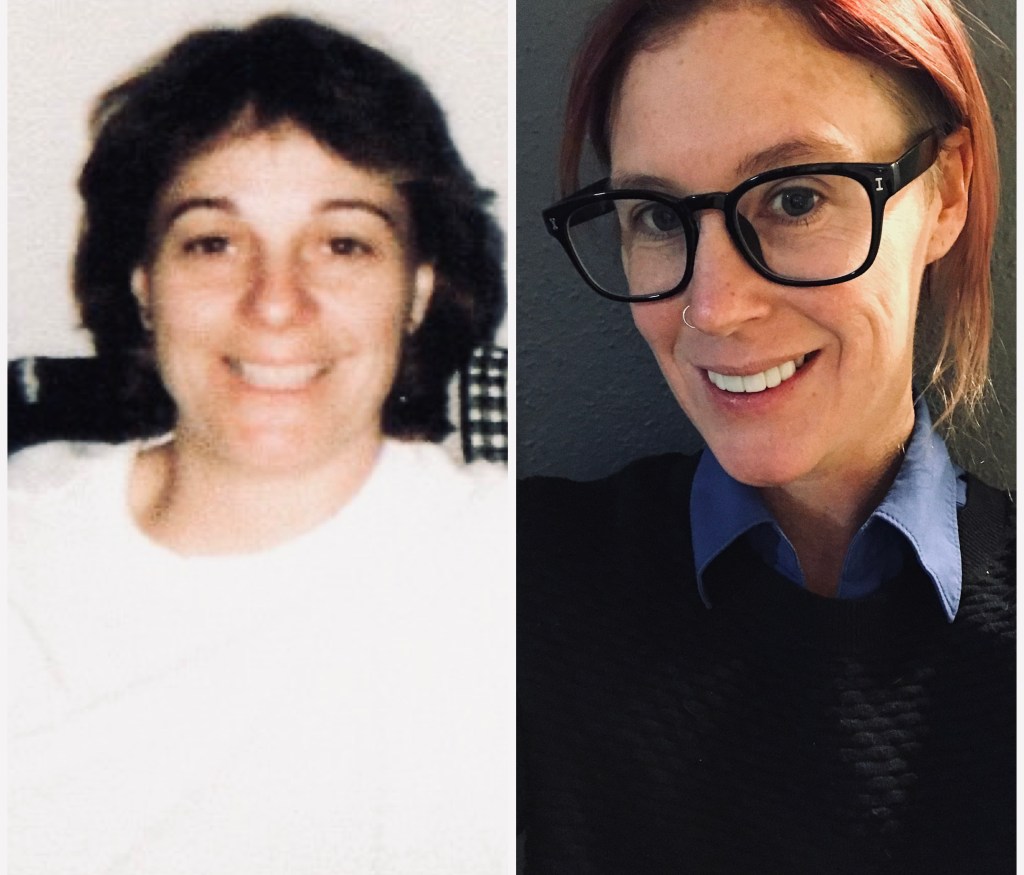
Pietrowski, age 36-37, talks about her decision to join the Coast Guard; her family and boyfriend’s reaction to her enlistment; her basic training experiences; returning to Maine for assignment; male vs. female commanding officers; tension between men and women and between women; minorities in the Coast Guard; sexual harassment; whether women should be included in the next draft; how she spent her leisure time; her discharge and transition to civilian life; rising through the ranks; gays and lesbians in the military; whether she would do it all over again; her most positive experience in the Coast Guard; her biggest struggle in the Coast Guard; and her advice for people, particularly women, joining the military
Op Eds
[an open letter] To those who oppose non-violent acts of civil disobedience
First let me say, I am sorry you feel this way. I am sorry for you, and for our nation, and for all the nations of the world. I am sorry for us all- -for what we have done, and what we have failed to do. I am sorry we are not always as brave as we should be. I am sorry our arrogance often gets the best of us- -that we are too impatient to stop what we are doing and think, really think, about the needs of others. I am sorry that our prosperity has led to greed, and our greed to indifference.
We have let each other down. We have failed to protect the most vulnerable members of our community, and in continuing to do so, we are saying, however inadvertently, that some lives are simply more important than others. We are all guilty of this. However, it is the privileged that are most responsible, for while it is true that we must all act in defense of justice, we are not all given an equal opportunity to do so. I think it’s important to understand that those of us in positions of privilege have a certain responsibility to those less unfortunate than ourselves, and we should feel compelled to use this privilege to defend the rights of the people- -to be a voice for those who have been silenced, to fight for what is just, defend what is right. As Noam Chomsky explains:
Responsibility I believe accrues through privilege. People like you and me have an unbelievable amount of privilege and therefore we have a huge amount of responsibility. We live in free societies where we are not afraid of the police; we have extraordinary wealth available to us by global standards. If you have those things, then you have the kind of responsibility that a person does not have if he or she is slaving seventy hours a week to put food on the table; a responsibility at the very least to inform yourself about power. Beyond that, it is a question of whether you believe in moral certainties or not.
I am sorry we don’t always act in good faith. I am sorry I haven’t been as mindful as I could have been. I am sorry you turned your back. For this- -your ignorance and mine, I apologize. We have been careless. We have failed to look after one another. We have been naïve. For all these things, I am sorry. I am sorry for the past –the times we were listless, the times we didn’t stand as tall as we could have.
It’s not easy to admit these sorts of things about ourselves, to acknowledge our indifference- -confess we have, at times been coldhearted, detached. This, however, is precisely what we must do. It is our only hope at bypassing the old narrative- -the one where we arbitrarily capitulate to atrocities, like torture and murder- -for when we consent to such things, we are not sacrificing our own lives, but the lives of others; we are sacrificing that which is not ours to give – -the lives of those less fortunate.
All too often our tolerance is misguided. We are accepting of the bigoted and the narrow-minded. We compromise that, which is uncompressible. Sometimes we are selfish. We are unkind. We act out of self-preservation, rather than the defense of others. Sometimes we act this way because we have been ill informed- -because, however unknowingly, we have let our dispensation, like our pride, get the best of us. Sometimes we act out of fear; we use our hands to shield ourselves rather than others, because honestly, their lives just don’t seem as valuable as our own. And sometimes we are unwilling to act, to be invested until (or unless), we are directly affected by something. This is precisely the problem, as it is this very indifference, this lack of compassion, which inhibits our ability to change.
Just this week, I heard people complaining about the protests in Boulder, and I couldn’t help but wonder whether we are so privileged that we see this banning together as an inconvenience, rather than a (highly defensible) demand for justice? Could it be that we have forgotten the impact other acts of (non-violent) civil disobedience have had in the past? Take The Tiananmen Square protests, for example, Gandhi’s Salt March, Women’s Suffrage, The Civil Rights Movement, The Cape Town Peace March, the protesting of the Vietnam War? And what about Susan B. Anthony and Martin Luther King- -apartheid and segregation? What about the poor and the marginalized? What about equality? What about our likeness?
The truth is, we’re not really all that different from one another- – from those we call other. We share a common interest, we always have; we are human. Likewise, we deserve equal rights under the law. The Declaration of Independence was created in order to guarantee these rights, and in order to support this intention, it includes the right to commit acts of civil disobedience in order to uphold such rights, should the government become too oppressive. Therefore, those protesting the recent police brutality cases were not breaking the law but rather acting within their Constitutional rights. So, while you may find them inconvenient, these acts of protest are legal under the law, provided they are non-violent; and while this is all well and good, the truth is, the law must at times be broken. Take, for example, The Fugitive Slave Act (1850). If people had not followed their hearts, if they had not broken the law in the name of justice, the slaves would not have been freed.
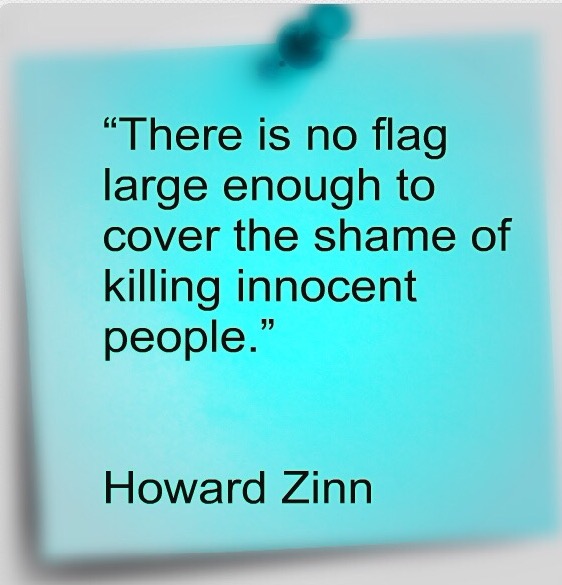
As Howard Zinn so articulately affirmed in the Trial of the Camden 28:
The point is not chaos or anarchy, all these things that people talk about when they talk about breaking laws. No. The point is that when you do have chaos in the country or in the world or in your soul, chaos being people being oppressed, then you may have to break the law in order to bring back some better harmony in the situation, in yourself and among people.
We all suffer. We all hurt. We all feel, at times as though we don’t belong- -that we don’t have a place in this world. In the words of Audre Lorde, “wherever the bird with no feet flew, she found trees with no limbs,” and indeed it is so. We have no place, no home, but that which is built amid the forest of our neighbors. We are more similar than we think. We are human- -arteries and veins. This is why we must protest. This is why we must band together. This is why we must demand change- -because people are in fact being oppressed; they are being discriminated against; they are being tortured and killed; they are being forced to watch their loved ones die, and if by chance they have not (yet) experienced these things, they must live in constant fear of what is, inevitability to come. No one deserves this- -the choice between dying at the hands of an oppressor or living in fear of his arrival. This is no way to live, and certainly no way to die. ©
 Charlotte Annie